
Less repetitive manual work
SoftFabrix aims to reduce the number of fabrication operations that require direct researcher attention.
SoftFabrix is a compact laboratory-machine concept designed to automate repetitive steps in mould-based PDMS chip production—from casting and degassing to curing, demoulding, cutting and punching.
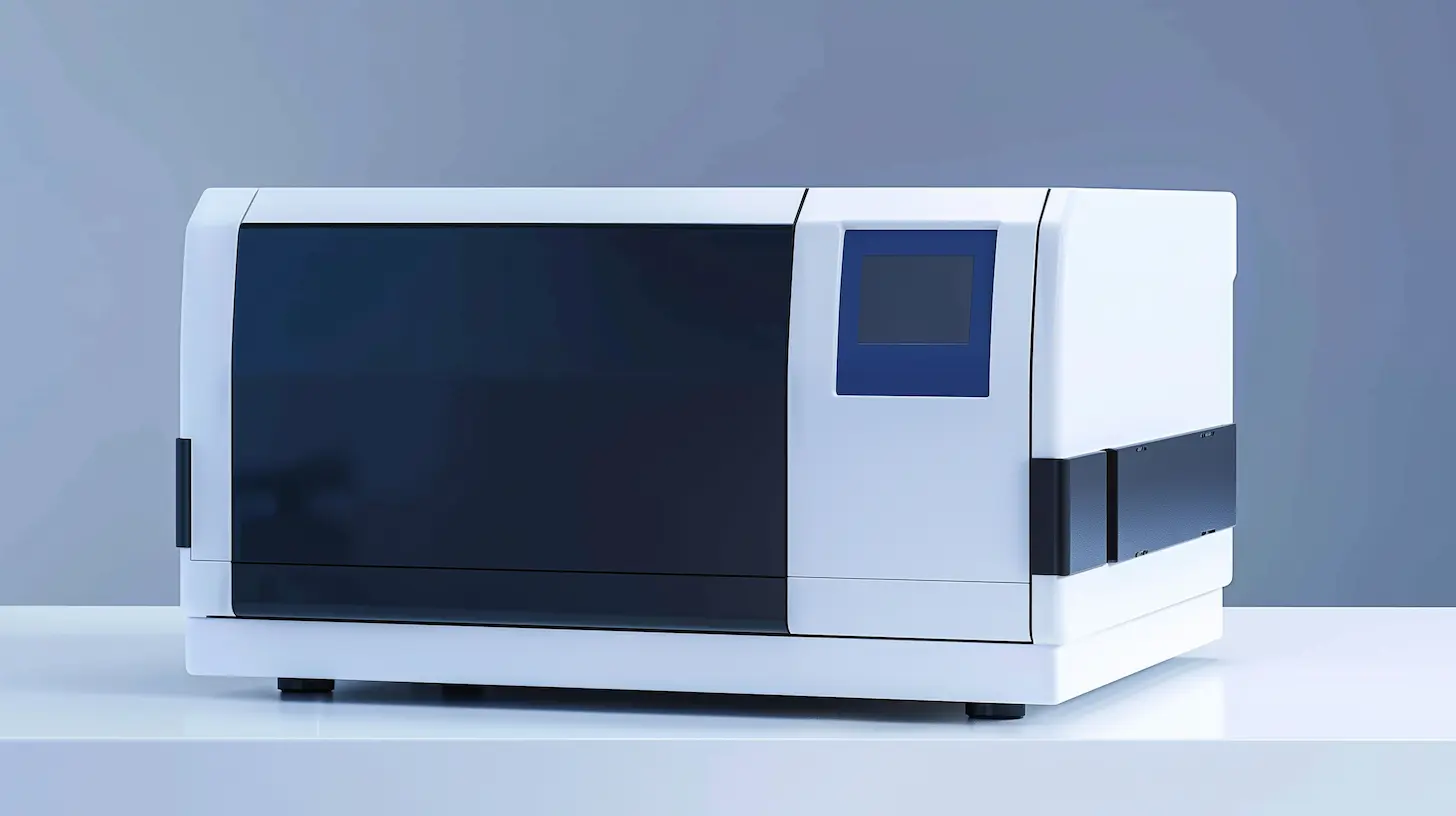 Concept illustration
 Final design, architecture and specifications may differ.
Producing PDMS microfluidic devices can require repeated preparation, casting, degassing, curing, demoulding, cutting and punching. Each operation may be straightforward on its own, but repeated batches consume researcher attention and interrupt other laboratory work.
The SoftFabrix concept brings several fabrication operations into one compact laboratory system. Select a step to explore the intended sequence. Exact implementation and operating ranges will be determined through prototype development and user feedback.
Explanatory layout only. It does not represent a final mechanical architecture or validated subsystem design.
The user places the mould into the intended loading area and selects the required fabrication settings.
Mould or chip: Mould positioned for the configured run.
The concept is intended to dispense or cast prepared PDMS onto the user-provided mould.
Mould or chip: Mould receives a controlled layer of PDMS.
The intended workflow removes trapped air from the cast PDMS before curing.
Mould or chip: Uncured PDMS remains on the mould while bubbles are removed.
Controlled heating is intended to cure the PDMS as part of the configured machine workflow.
Mould or chip: The PDMS solidifies while retaining the moulded channel geometry.
The cured PDMS is separated from the mould before downstream cutting and punching.
Mould or chip: A cured PDMS layer is released from the mould.
The concept aims to define the chip outline and create the required inlet and outlet openings.
Mould or chip: Individual chips are shaped and prepared for the next laboratory step.
Completed fabrication pieces are transferred to an output area for collection by the user.
Mould or chip: Fabricated PDMS chips are ready for inspection and subsequent processing.
Plasma bonding is outside the initial prototype scope and may be explored in a later product generation.
These outcomes are design objectives for the concept, not validated performance claims.
SoftFabrix aims to reduce the number of fabrication operations that require direct researcher attention.
Configured settings and automated handling have the potential to support more repeatable workflows between batches.
The concept is intended to progress through multiple operations without intervention at every stage, potentially supporting overnight runs.
Reducing routine fabrication work could allow researchers to focus on experiments, analysis and device development.
Supported moulds, PDMS formulations, dimensions and process ranges have not yet been defined. Feedback from potential users will help establish these requirements.
SoftFabrix specifications and compatibility have not yet been validated. Before fixing detailed engineering requirements, the project is seeking input from laboratories that regularly produce PDMS microfluidic devices.
Feedback will help prioritise the workflows, materials, mould formats and operating features that would make the system genuinely useful.
The concept is focused on laboratories that use mould-based PDMS fabrication and produce repeated devices.
The SoftFabrix pilot is currently an interest and feedback programme. Registering allows us to learn about your fabrication workflow and contact you about future research, prototype development or testing opportunities.
Timing, location, prototype-access arrangements and participation terms have not yet been fixed. These details will be shared before any testing commitment is requested.
Required fields are marked with an asterisk.
We may contact you to learn more about your laboratory workflow. If you requested updates, check your inbox to confirm your subscription.
Return to the product overview →SoftFabrix is an early laboratory-machine concept intended to automate repetitive operations in mould-based PDMS microfluidic chip fabrication.
No. The project is currently at an early concept and prototype stage.
The concept is based on user-provided moulds. Supported mould materials, dimensions and other compatibility requirements have not yet been defined.
Compatibility has not yet been established. Information from potential users will help determine which formulations should be prioritised.
No. Bonding is outside the initial prototype scope, although it may be considered for a later product generation.
It currently means registering interest and potentially sharing feedback. It does not create a purchase commitment or guarantee access to a prototype.
Laboratories and research teams that use mould-based PDMS fabrication and are willing to discuss their workflow requirements are encouraged to register.
Information will be used to respond to enquiries, understand potential interest and improve the product concept. Product updates will only be sent when optional consent has been provided.
Tell us which fabrication operations consume the most time and which capabilities would make an automated system useful to your laboratory.